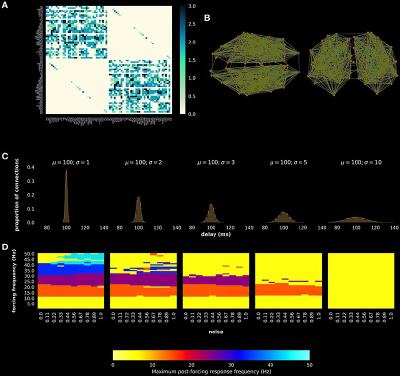
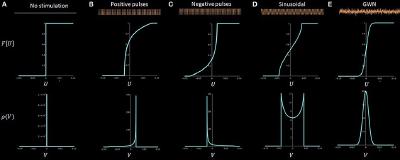
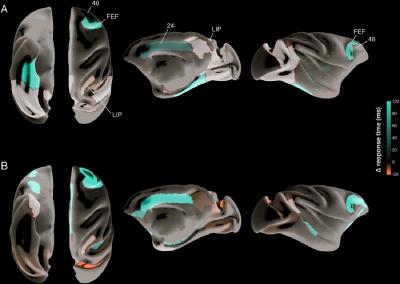
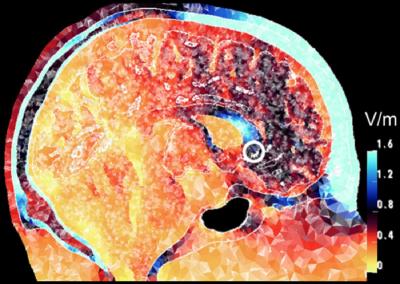
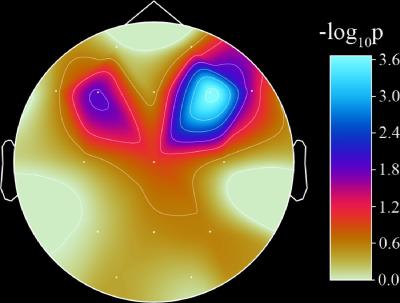
Brain stimulation is both a tool for probing how the brain works and an increasingly important treatment for psychiatric and neurological disorders. We build computational models of how techniques such as transcranial magnetic stimulation (TMS), theta burst stimulation, transcranial focused ultrasound (tFUS) and temporal interference stimulation act on neural circuits, from cellular mechanisms of plasticity (e.g. calcium-dependent plasticity and metaplasticity) up to whole-brain network responses measured with concurrent TMS-EEG. We combine these models with data from clinical rTMS and Stanford Neuromodulation Therapy trials in depression to identify biomarkers of treatment response, working towards personalized, model-guided stimulation protocols.
Neurostimulation
Publications
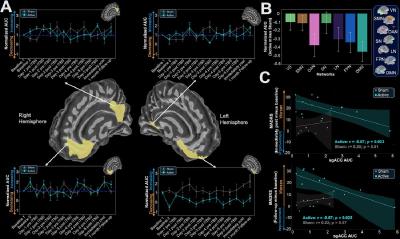
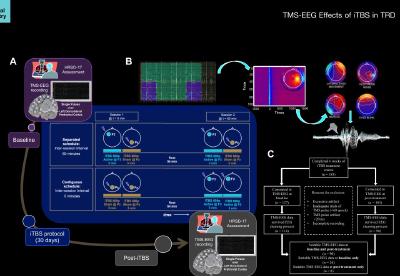
Excitation-Inhibition Balance and Fronto-Limbic Connectivity Distinguish TMS Treatment Outcomes in Refractory Depression
Background: Intermittent theta burst stimulation (iTBS) targeting the left dorsolateral prefrontal cortex (DLPFC) is effective for …
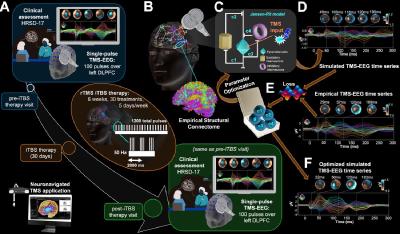
Neurophysiological signatures of Stanford Neuromodulation Therapy in treatment resistant depression
Treatment-resistant depression (TRD) affects approximately 30% of patients with major depressive disorder. Stanford Neuromodulation …
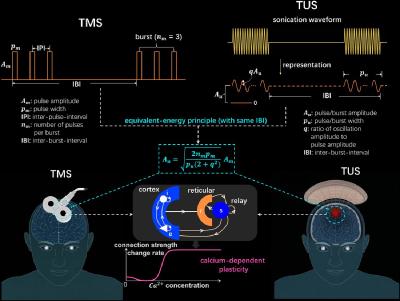
Unifying transcranial focused ultrasound and transcranial magnetic stimulation effects with calcium-dependent synaptic plasticity theory
Low-intensity transcranial focused ultrasound stimulation (TUS) is an emerging technology that shares features of both established …
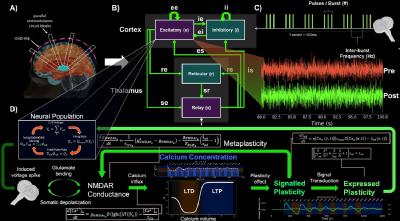
Alpha rhythm subharmonics underlie responsiveness to theta burst stimulation via calcium metaplasticity
Repetitive transcranial magnetic stimulation (rTMS) is a non-invasive technique to modulate brain activity, often used in treating …
Stimulation mapping and whole-brain modeling reveal gradients of excitability and recurrence in cortical networks
The human brain exhibits a modular and hierarchical structure, spanning low-order sensorimotor to high-order cognitive/affective …
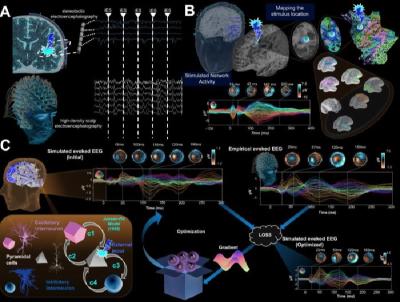
TMS-Evoked Responses Are Driven by Recurrent Large-Scale Network Dynamics
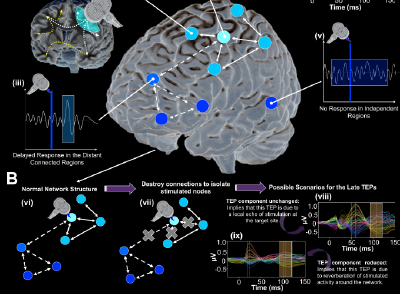
A major question in systems and cognitive neuroscience is to what extent neurostimulation responses are driven by recurrent activity. …
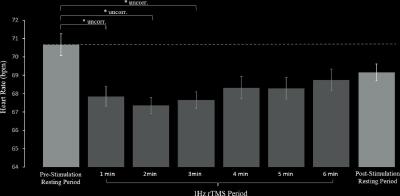
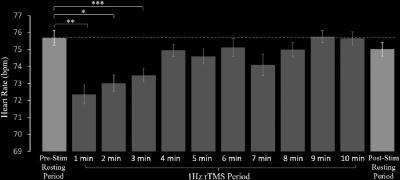
Mapping inter-individual functional connectivity variability in TMS targets for major depressive disorder
Transcranial magnetic stimulation (TMS) is an emerging alternative to existing treatments for major depressive disorder (MDD). The …
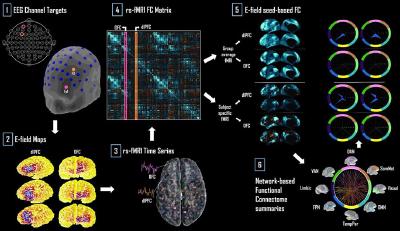
A connectome-based, corticothalamic model of state- and stimulation-dependent modulation of rhythmic neural activity and connectivity
Rhythmic activity in the brain fluctuates with behaviour and cognitive state, through a combination of coexisting and interacting …
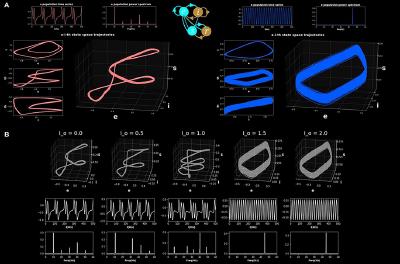
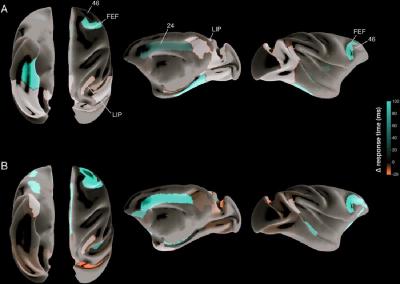
Shaping brain rhythms: dynamic and control-theoretic perspectives on periodic brain stimulation for treatment of neurological disorders
Rhythmic, collective activity is a fundamental feature of neural systems. As a result of this, many of the challenges and opportunities …
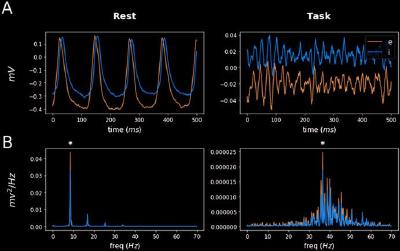
Persistent entrainment in non-linear neural networks with memory
A theoretical study on the phenomenon of persistent entrainment using a mean-field model of recurrent delayed inhibition