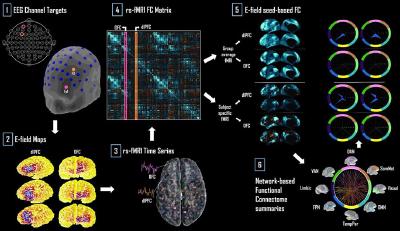
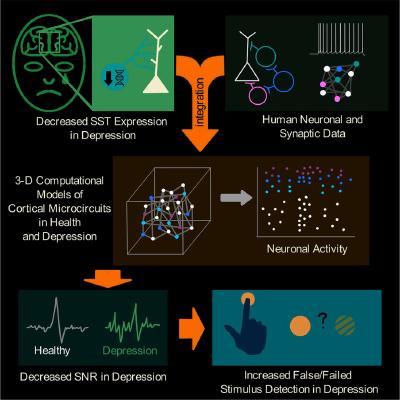
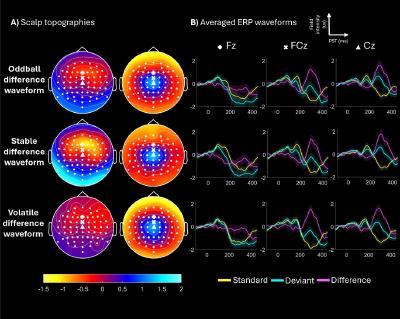
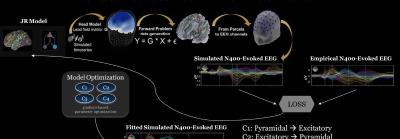
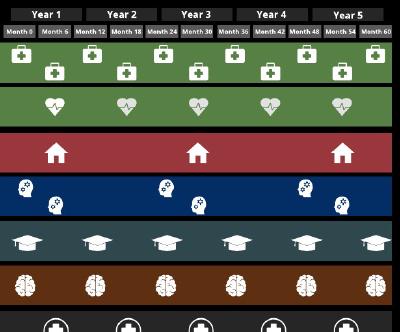
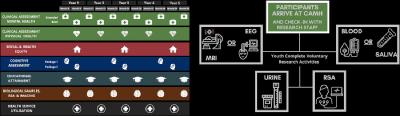
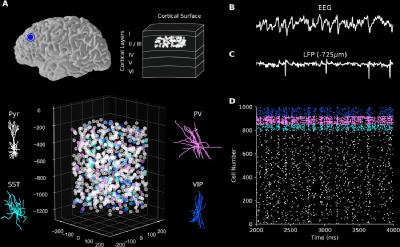
Psychiatric conditions such as depression, psychosis and schizophrenia are increasingly understood as disorders of brain circuits and networks. We use computational models and neurophysiological measurements to link cellular and circuit-level changes, such as reduced cortical inhibition in depression, to measurable EEG and fMRI signatures, and to characterize differences in how people at risk of psychosis learn and update their beliefs. Much of this work is tied to clinical studies at CAMH, including brain stimulation treatment trials for depression and the Toronto Adolescent and Youth (TAY) Cohort Study, with the goal of developing biomarkers that can guide diagnosis and treatment.
Mental Health
Publications
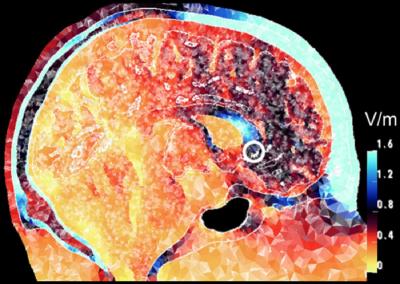
Excitation-Inhibition Balance and Fronto-Limbic Connectivity Distinguish TMS Treatment Outcomes in Refractory Depression
Background: Intermittent theta burst stimulation (iTBS) targeting the left dorsolateral prefrontal cortex (DLPFC) is effective for …
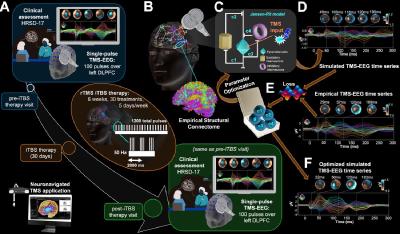
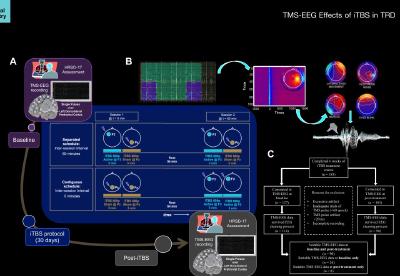
Neurophysiological signatures of Stanford Neuromodulation Therapy in treatment resistant depression
Treatment-resistant depression (TRD) affects approximately 30% of patients with major depressive disorder. Stanford Neuromodulation …
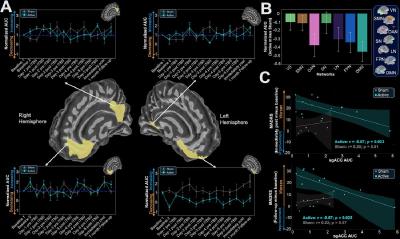
Mapping inter-individual functional connectivity variability in TMS targets for major depressive disorder
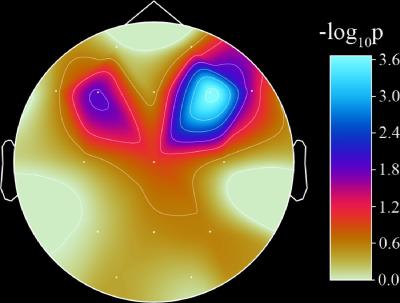
Transcranial magnetic stimulation (TMS) is an emerging alternative to existing treatments for major depressive disorder (MDD). The …